
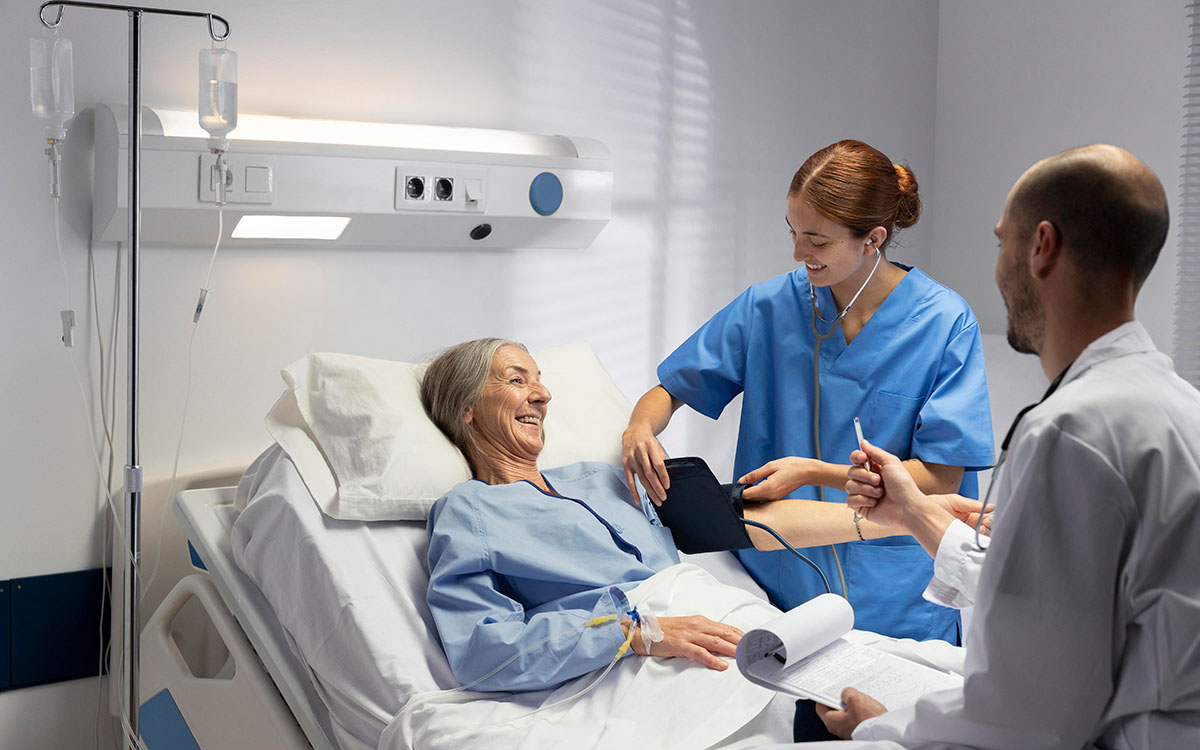
Benefits of Nursing Jobs in Germany
Competitive Salaries:
Nursing salaries in Germany are generally competitive, offering a stable and decent income. The exact salary depends on factors such as qualifications, experience, and the employer. With experience and career progression, nurses could earn higher salaries. Here is the link to calculate wages
Family Status:
Once you’ve arrived in Germany after arriving, you can take your family with you to Germany, and your spouse can work, and your children will be eligible for free education and monthly allowance up to € 2 5 0 . 0 0 per child once you have obtained residence card. The spouse will require a basic German language proficiency certificate ( A1 ) to move to Germany.
Residence and Passport Eligibility:
Another advantage of working as a nurse in Germany is the PR status. Usually, the German Authorities will grant permanent residency within five years or earlier. The residence permit will be granted to non-EU citizens who have been in Germany for longer than five years.
Long Job contract:
Another benefit of working as a nurse in Germany to Sri Lankan nurses is that they are eligible for an unlimited work contract. The job contract can be changed or terminated at any time through mutual agreement, with the consent of both employee and the employer.
Residence Permit:
Permanent residence permits you to remain in Germany as long as you want. To be eligible for a permanent residence permit, applicants must acquire at least five years’ experience working in a position recognized by Federal Employment Agency. Another requirement is that you must demonstrate your proficiency in the German language. If you get a residence permit, your spouse and child will receive temporary residence permits.
Strong Healthcare System:
Germany has a robust healthcare system with high standards of care. Nurses working in this system have access to state-of-the-art medical facilities, advanced technology, and a supportive work environment that promotes patient well-being and professional growth.
Job Security:
Nursing is considered a profession with good job security in Germany. The demand for qualified nurses is consistently high due to the country’s aging population and ongoing healthcare needs. Therefore, nurses can often find stable employment opportunities and long-term career prospects.
Social Benefits:
German nursing jobs typically come with comprehensive social benefits. These benefits may include health insurance coverage, pension plans, maternity/paternity leave, paid vacations, and access to professional development programs. These benefits contribute to the overall well-being and financial security of nurses.
Work-Life Balance:
The German work culture emphasizes a healthy work-life balance. Nurses often enjoy
regulated working hours, breaks, and adequate time off, allowing them to maintain a fulfilling personal life alongside their professional responsibilities. This balance helps prevent burnout and supports overall job satisfaction.
Professional Development Opportunities:
Germany provides ample opportunities for nurses to enhance their skills and knowledge through continuous professional development. Institutions often offer training programs,
workshops, and educational opportunities to nurses, enabling them to stay updated with the latest advancements in healthcare practices and further their career growth.
International Recognition:
Nursing qualifications obtained in Germany are widely recognized internationally. Nurses who gain experience and education in Germany can potentially explore employment opportunities in other countries or pursue higher education or specialization abroad.
It’s important to note that specific benefits and working conditions may vary depending on the employer, region, and collective agreements in place.
Document Required:
The following is a list of documents required to register as a nurse in Germany. All documents and certificates must be translated into German before submitting them. The police clearance certificate and the doctor’s fitness certificate are valid for six months. Therefore, it is better to obtain the PCC only after passing the German language test.
- 1 0 th Certificate
- 1 2 th Certificate
- GNM/BSc/MSc Mark lists
- Transcript of Nursing Qualification
- Biodata
- German language certificate
- Medical Certificate
- Birth Certificate
- Police Clearance Certificate
- Nursing Registration Certificates
- Job Experience Certificate
- 10 Passport Size Photographs
- Passport Copies
German Translation of Documents:
Applicants must translate all English certificates and documents to German before sending them for registration. An approved translator must do all translations, and translated documents must have the official stamp of the sworn translator.
Important Notice:
On approval, the hospital authority may conduct a telephonic or Skype, Zoom, Teams,
interview to assess the language proficiency and professional competency before offering the job offer.
**Promedicalis GbR will also conduct the interview via zoom with Candidates**
Please check the Document required and this tend to change from time to time this can change depending on the country!
Visa Application Procedure:
Applying for a German Work visa is essential for obtaining a nursing job in Germany in Germany for Sri Lankan nursing staff. All Non-EU Nationals, includingSri Lankans, require a visa to work in Germany.
Take all the necessary documents. Pay the fee for the work visa and then attend the interview. The process for the visa could be between one and two months.
Documents Required for Visa
- Original passport with a minimum six months validity
- A signed application and declaration form
- Two copies of the passport
- Offer Letter from German Employer
- Covering Letter
- Education Certificates
- Experience Certificates
- German Language Proficiency Certificate
- Six passport-sized photographs
- Visa Fees
Health insurance


German
Nursing
Pathway Program
Your pathway to a successful nursing career in Germany, supported by complete language training every step of the way.